
First-Time Cruiser Guide: What to Know Before You Book (and Before You Board)
A lot of my clients say the same thing when they reach out:
“We keep talking about doing a cruise, but we’re overwhelmed by the options and we really don’t want to end up on the wrong ship.”
If that sounds familiar, you are in the right place.
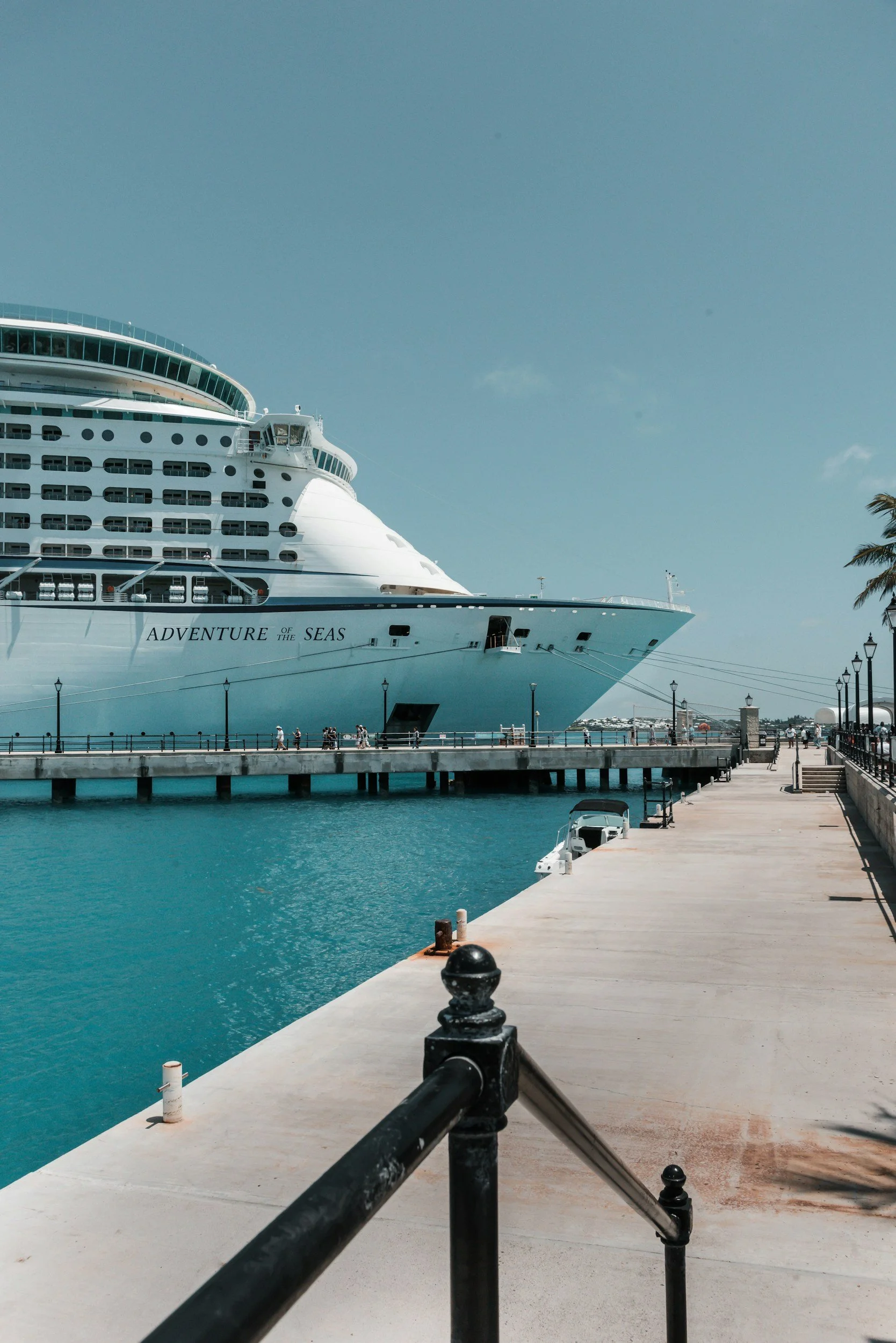
Cruising is one of my favorite ways to travel, both personally and professionally. My own history with cruises goes back to a Bermuda sailing with my parents when I was a teenager, and I later met my now-partner on a cruise ship in Norway. So yes, I am biased, but I am biased because I have seen how special cruising can be when you are on the right ship, with the right itinerary, at the right time.
This guide is for you if you are cruise curious, have not sailed before, and want a clear, honest look at what to expect without needing to learn a whole new language.
Step One: Start With Your “Why,” Not the Deal
Most first-time cruisers start where the ads tell them to start, with the deal.
They see a glossy promotion for free drinks, free Wi-Fi, or “kids sail free,” and try to build a trip around that. The problem is that promotions are designed to fill ships, not to match your travel style.
A better place to start is with a simple question:
“Why do we want to go on a cruise in the first place?”
Maybe you want to see multiple places without unpacking every other day. Maybe you are craving a trip where most of the logistics are handled for you. Maybe you love the idea of waking up to a new view each morning, or you are ready for a vacation where you can do as much or as little as you want.
Once you understand your “why,” everything else gets easier. It shapes:
The kind of ship you will feel comfortable on
The destinations that make sense for this season of life
How long you should cruise and at what pace
When I plan cruises for clients, we always start here. The promotions come after we are clear on what you want this trip to feel like.
Step Two: Not All Cruises Feel the Same
One of the biggest myths about cruising is that all cruises are basically the same. Big ships, loud pool decks, and endless buffets.
In reality, cruise lines are more like hotel brands. Each one has its own personality. Some feel like large resorts at sea. Others feel more like intimate boutique hotels. Some focus heavily on nightlife and activities. Others focus on food, wine, and destination immersion.
When we are figuring out your “cruise style,” we will talk about questions like:
Do you want a ship that feels lively and packed with activities, or calm and low key?
Would you prefer an adults focused atmosphere, or are you okay with a mix of ages?
Are you more excited about the ship experience itself, or the ports and excursions?
From there, we can narrow in on whether you might be happiest on:
A larger, resort style ship with many restaurants, shows, lounges, and activities
A smaller, more intimate ship where things feel slower and more grown up
An adults focused or adults only option for honeymoons, anniversaries, or “no kids on this one” trips
A river cruise, where the ship feels like a moving boutique hotel and the focus is on cities, villages, and scenery
You do not have to know the names of all the cruise lines or ship classes. That is my job. You just need to know how you like to travel.
Step Three: Choosing an Itinerary and When to Sail
Once we sort out your vibe, the next layer is where to go and when.
This is where first-time cruisers can easily get overwhelmed. There are so many itineraries that it is hard to compare them. Caribbean versus Mediterranean, seven nights versus ten, more sea days versus more port days. It is a lot.
Here are a few things I walk clients through:
How much do you actually want to be on the ship?
Some people dream of long, lazy sea days with books by the pool and spa time. Others want to be off the ship exploring as often as possible. Your preference shapes whether we look at itineraries with more sea days or more ports.
Are your dates flexible?
If you are tied to school breaks or a very specific vacation window, we work backward from that and see which itineraries line up. If you have some flexibility, we can look for seasons with better weather, fewer crowds, or stronger pricing.
What kind of scenery and culture are you craving?
A Caribbean cruise with beach days and turquoise water feels very different from a European cruise filled with old towns and museums, or an Alaska sailing focused on glaciers and wildlife.
My role is to filter all of the choices down into a manageable set of “great fits,” not twenty almost identical tabs.
Step Four: Cabins Matter More Than You Think
If you have never cruised before, it is easy to treat the cabin as an afterthought. “We will barely be in the room anyway” is something I hear a lot, until someone ends up under the gym or above a busy lounge.
The cabin you choose has a big impact on how rested and comfortable you feel during your trip.
Cabin Type
Most ships offer some variation of:
Inside cabins
No window. Usually the most affordable option. Dark and cozy, great for sleeping in. Best if you do not mind a snug space and want to save your budget for other parts of the trip.Oceanview cabins
A window or porthole, but no balcony. Nice if you want natural light but do not need your own outdoor space.Balcony cabins
A private balcony with room for chairs and a small table. Fantastic for morning coffee, quiet reading time, or just taking in the view. Many first-time cruisers are happiest starting here.Suites
More space and often extra perks and amenities. Great for travelers who know they will use and appreciate the extra room and service.
Location on the Ship
Even more important than the type of cabin is where it is on the ship:
Cabins in the middle of the ship often feel more stable if you are worried about motion.
Cabins on lower to mid decks can feel steadier than the very highest decks.
It is worth checking what is above and below your cabin on the deck plan. Ideally, you want other cabins above and below, not the fitness center, nightclub, or a busy buffet.
When I book for clients, I am not just choosing a category. I am looking at the deck map and intentionally picking locations that match your preferences and comfort level.
Step Five: Understanding Your Budget
One of the advantages of cruising is that a lot is bundled into one price. That said, it is not always fully all inclusive.
Your base cruise fare will usually cover:
Your cabin
Most onboard dining, such as the main dining room and casual spots
Entertainment like shows, live music, and many activities
Basic drinks such as water, coffee, tea, and some juices
Then there are the extras, which can vary from line to line:
Alcoholic drinks and specialty coffees
Specialty restaurants and certain premium dining experiences
Wi-Fi packages
Gratuities, which might be prepaid or added daily to your onboard account
Shore excursions
Spa treatments and some fitness classes
This does not have to be confusing, but it does need to be clear before you book.
When we work together, I walk you through what is included on your specific sailing, and we make a realistic plan for anything that is not. Sometimes it makes sense to purchase a package, for example Wi-Fi or drinks. Other times, it is better to pay as you go. I help you sort out which option fits the way you actually travel.
Step Six: Making the Most of Port Days
Port days are where cruises really come alive. They are your chance to experience the destinations beyond the ship, whether that means a charming seaside town, a snorkeling spot, a wine region, or a big city you have always wanted to see.
There are two main ways to approach port days.
Guided excursions
These can be booked through the cruise line or through trusted local partners. They are ideal when you want the logistics handled for you, including transportation, timing, tickets, and a guide. Think snorkeling in clear water, winery tours, cultural city walks, or hikes with a local expert.
DIY exploring
Sometimes you just want to wander, find a café, sit on the beach, or browse shops and markets. If the port is easy to navigate and you are comfortable exploring on your own, this can be a wonderful, low key way to spend the day.
Most of my clients prefer a mix. We might plan something more structured for one port and keep another day open for slower exploration and spontaneous finds. I help you figure out which ports deserve a more formal excursion and which ones are perfect for “let us just see where the day takes us.”
Step Seven: Seasickness, Dress Codes, and Honest Questions
Let us talk about a few things people are often nervous to ask about.
“Will I get seasick?”
Maybe, maybe not, and that is me being honest. The good news is that there is a lot we can do to reduce the chances that it affects your trip.
Modern ships use stabilizers and are designed to minimize movement, especially on common routes like the Caribbean or Mediterranean. If you are worried, I can recommend more stable cabin locations and certain itineraries or seasons that tend to feel calmer. I also suggest that clients pack their preferred motion sickness remedies so they are prepared, just in case.
“Do I have to dress up every night?”
Probably not as much as you think. Each cruise line has its own guidelines, but there is almost always a casual or “smart casual” option. Some people love getting dressed up for a few evenings. Others keep it simple. Once we choose your ship, I will send you expectations specific to that line so there are no surprises.
“What does a typical day actually look like?”
This depends on your itinerary, but a sea day might look like a slow breakfast, time by the pool, a spa treatment or fitness class, maybe a lecture or tasting, then dinner and a show. A port day might be an excursion in the morning, a relaxed afternoon onboard, and a sunset sail away.
What matters most is that your days feel like your version of a good time, not someone else’s schedule.
Step Eight: Why Book Your First Cruise With a Travel Advisor?
Could you spend your weekends researching cruise lines, reading reviews, comparing itineraries, and trying to decode promotions? Absolutely.
Do you need to do that? Not at all.
Here is what I do for my cruise clients:
Help you get clear on your goals for the trip, so we are not just chasing “good deals”
Narrow down the overwhelming number of options to a curated shortlist that matches your style, budget, and timing
Translate the fine print on promotions and Wave Season offers, so you know what you are getting
Choose a cabin type and location you will actually be happy in, not just the next one available
Fit the cruise into the bigger picture, including flights, pre or post cruise hotel stays, and transfers
Be your support before and during travel, so you are not left on hold with a call center if something changes
My goal is not just to get you on a ship. It is to make your first cruise feel so smooth and enjoyable that it becomes one of those trips you look back on and say, “We are really glad we did that.”
